Clinical Medicine, Dentistry, and Public Health: Prerecorded presentation - Panel 4
Location: Online - Prerecorded
Presentation 1
KATE ANDERSON-STRAIN, RHEA RUPARELIYA, PARI BHAUMIK, NATALIE TSUNG, NIKKI LOMELI, Addison Lola, Naina Grover, Natalia Liang, Sarah Reid, Sahngwie Yim
Opioid-related mortality continues to be a public health concern in the United States. Prior research suggests that opioid use is influenced by societal and systemic factors, including patterns of social connectedness that may facilitate the spread of behavior and access to substances. This study evaluates the relationship between social connectedness in California counties and opioid mortality rates, using Facebook’s Social Connectedness Index (SCI) to measure inter-county social ties and publicly available datasets. SCI was evaluated as a predictor, and poverty, naloxone distribution, mental health risks, and social proximity to death were chosen as covariates. Statistical significance was set at α = 0.05. A simple regression model examining inter-county social connectedness showed a weak correlation (R^2 = 0.066), with a marginal association between connectedness and opioid mortality (β = 5.86, p = 0.052). The multivariate model indicated a significant association between social connectedness and opioid mortality (R^2 = 0.946), with social proximity to death the dominant predictor (β = 20.7, p = 2.8119e-31). Poverty rate (β = 2.37, p = 0.003) and naloxone distribution (β = 2.06, p = 0.016) were also statistically significant predictors, while mental health risk was not (β = 0.482, p = 0.540). These findings indicated that social connectedness’ independent effect was attenuated when modeled in isolation across Californian counties, but was associated with opioid mortality when considered alongside structural covariates.
Presentation 2
AIDAN BANG, CHENLU YANG, JADEY CHEN, ETHAN KIM
Climate Gap: Assessing the Disproportionate Health Effects of Climate Change on Marginalized Communities
Climate change refers to the rise in global temperatures due to rising greenhouse gas emissions from human activity, which has drastic impacts on human health. Although this issue affects everyone, marginalized communities often suffer the effects of climate change at greater scales. This research project explores three key sources of this climate gap: (1) high environmental-risk areas, (2) pre-existing health conditions, and (3) lack of resources for resistance and resilience to climate change. The effects of climate change include poorer air quality as gases are trapped in the air which can lead to problems like worsening asthma and increased risk of pulmonary disease. These negative health effects often exacerbate existing inequalities by increasing medical debt and decreasing property values in vulnerable communities, which creates a positive feedback loop by diminishing resources for resistance to and resilience from future climate events. According to other studies, more than 90% of climate-related deaths occur in low and middle income countries which emphasizes the gap in impact that climate change has. This paper explores potential solutions to these inequities, including various legislative initiatives that expand air quality control programs and investing more in healthcare systems for communities that need it more.
Presentation 3
Sadia Fyruj, Bhavesh Patel, Sohaib Naim, Siriluck Satonkiatngam, Hyun S Lim, Qi Miao, Kai Zhao, Katarina Chiam, Wayne G Brisbane, Leonard S Marks, Steven S Raman, Holden H Wu, KyungHyun Sung
Integrated Machine Learning Model Combining MRI Radiomics and Clinical Features to Predict Five Year Prostate Cancer Progression
Prostate cancer is one of the most common malignancies in men, with a subset of initially low risk cases progressing to more aggressive disease. Active surveillance reduces overtreatment but lacks reliable tools to predict progression. This study evaluates whether combining multiparametric MRI radiomic features with clinical data improves prediction of five year prostate cancer progression.
We conducted a retrospective analysis of 205 patients on active surveillance at UCLA from 2011 to 2022. Longitudinal MRI features, including PI RADS scores, apparent diffusion coefficient values, and dynamic contrast enhancement metrics, were extracted across multiple timepoints and integrated with clinical variables such as PSA density and Gleason Grade Group to identify trends associated with progression.
Results show a consistent decline in apparent diffusion coefficient values over time, indicating increasing diffusion restriction even when PI RADS scores remained stable. Additionally, a substantial proportion of patients demonstrated Gleason grade upgrading on follow up biopsy, suggesting that imaging changes may precede clinical progression.
These findings support the potential of integrating longitudinal imaging and clinical data to improve early risk stratification. This approach may reduce reliance on invasive biopsies and enable more personalized management for patients on active surveillance.
Presentation 4
CAITLIN GILHOOLY
Gluten is a protein found in wheat, barley, and rye and is prevalent throughout the American diet. For individuals who have Celiac Disease, a strict gluten-free diet is required to prevent symptoms; however, it is difficult to uphold when gluten proteins are prevalent in common household products. Despite an increase in gluten-free labeling in the past couple years, individuals with Celiac Disease face difficulties identifying gluten due to presence in unexpected foods and cross-contamination incidents. The extensive involvement of gluten additives in American products can be explained due to the qualities of the gluten proteins which allows for structural property manipulation to generate products with desired texture and moisture retention. The expansiveness of gluten was studied by analyzing its functional properties and industrial marketing within four unexpected categories: glucose syrups, malted products, fermented foods, and pharmaceutical excipients. Furthermore, the health implications of the gluten-free diet for individuals without gluten-sensitive disorders was compared to the impacts of the Celiac populations. This investigation highlighted that for those without Celiac Disease, there is little benefit in adhering to the diet; however, the high-risk of contamination urges policymakers to require more accurate labeling, safe food-handling practices, and an increase in nutrition education.
Presentation 5
Jeffrey Xia, DOGEN EYELER, FREDERICK GOLDSTEIN, BENJAMIN LINZA, Eric H. Yang, Jihane Benhammou, Alan Garfinkel, Eric Yang, Ashley Stein-Merlob
Hypertension (HTN) is a common toxicity of vascular endothelial growth factor inhibitor (VEGFi) treatment. Hepatocellular carcinoma (HCC), the associated comorbidities, and systemic therapies lead to unique cardiometabolic changes, provoking investigation of risk factors contributing to negative trends in hypertension.
This single-center, retrospective cohort study of adults with HCC treated with systemic therapy ≥ 2 weeks (N=282) included VEGFi (N=95), immune checkpoint inhibitors (ICI) (N=32), and combined ICI-VEGFi (N=155) treatments. HTN was defined as systolic >130 mmHg or diastolic >90 mmHg on 2 consecutive clinic visits or new initiation or uptitration of HTN medications. Resampling was used for all statistical analyses. Classification and regression tree (CART) analysis identified risk factors with the greatest effect size.
At baseline, 62% had HTN, increasing 79% while receiving any systemic therapy. CART revealed the most significant risk factor predicting HTN was a Child-Turcotte-Pugh (CTP) score ≤ 6 (ARR = -0.217, p<0.001). Subsequent leaflets showed BMI > 24.31 (ARR = 0.133, p=0.0164) further increased the risk of HTN. Of the 123 patients with CTP ≤ 6 and BMI > 24.31, 91% had an increase in HTN. Old age, > 66, indicated a lower incidence of HTN within the CTP > 6 cohort (-0.367, p=0.0016).
CART unveiled unique risk factors in ICI and ICI-VEGFi patient populations for worsening HTN in HCC patients on systemic therapy. Larger studies with more variable collection are needed to refine risk groups.
Presentation 6
KHATCHIG JOUKHAJIAN
Sarmen Sarkissian
Artificial intelligence has rapidly expanded across many areas of medicine, including ophthalmology. Because eye diseases are often diagnosed using imaging technologies such as fundus photography and optical coherence tomography, ophthalmology is considered a field where artificial intelligence may have strong applications. This study examines how artificial intelligence research in ophthalmology has grown over the past two decades and which subspecialties have adopted these technologies most extensively.
To evaluate these trends, a bibliometrics analysis was conducted using the PubMed database. Publications from 2005 to 2024 were identified using the term ophthalmology and compared with publications containing artificial intelligence related terms including artificial intelligence, machine learning, and deep learning. Additional searches were performed for major ophthalmic subspecialties, including glaucoma, diabetic retinopathy, age related macular degeneration, cataract, and cornea, to measure the proportion of research incorporating artificial intelligence within each field. A small representative sample of publications was also analyzed to categorize studies by type, including clinical, observational, review, and methodological studies.
Results show a significant increase in artificial intelligence related ophthalmology publications beginning around 2017. By 2024, these studies represented over 12 percent of all ophthalmology publications. Adoption was highest in retinal diseases such as age related macular degeneration
Presentation 7
FIONA NGUYEN, GRACE KASSEBAUM, EVA WONG, ANN WHANG
Hearing loss is among the most prevalent sensory impairments and often results from genetic mutations, noise, aging, ototoxic treatment, or viral infection. While early intervention is the standard of care in pediatric audiology, late diagnosis of hearing loss remains a persistent challenge, disrupting a child’s developmental progress. This literature review draws on interdisciplinary research investigating the intersection of auditory deprivation and the neurocognitive model, which collectively contribute to developmental outcomes such as language, cognition, and social skills. In a society where verbal interactions occur on a daily basis, prioritizing early screening and diagnostic tools to facilitate fundamental development is essential. This review aims to analyze recent trends in diagnosis and the socioeconomic and healthcare challenges that families face in different parts of the world. It also explores the use of intervention strategies, such as placing greater emphasis on identifying the genetic etiology of hearing loss and school hearing screenings in catching hearing loss earlier on in individuals who may not have had the opportunity to do so otherwise. Gaining more genetic data regarding hearing loss in diverse populations would allow for more precise and swift diagnoses. Early childhood is a critical period for their cognitive and communicative development, and a timely diagnosis is essential to ensure that children receive the appropriate interventions to support their socialization and learning process.
Presentation 8
DARON YACOUBIAN, Autreen Golzar, Christopher D. Hamad, Rithik Jain, Joshua M. Wiener, Lauran K. Evans, Nicholas M. Bernthal, and William L. Sheppard
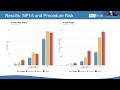
Frailty is associated with worse postoperative outcomes, but its predictive utility may vary across surgical specialties. This study evaluated whether the modified 5-item Frailty Index (mFI-5) performs similarly in head and neck (H&N) and spine surgery, and whether its associations differ by procedure risk and patient age. We conducted a retrospective cohort study at a single academic center including 2,778 H&N and 13,001 spine patients. The mFI-5 was calculated from five comorbidity and functional status variables. Procedures were stratified into evidence-based risk tiers, and outcomes included complications, serious morbidity, non-home discharge, and prolonged length of stay. Multivariable logistic regression, cross-specialty interaction testing, and age-stratified analyses were performed. Spine patients had a higher frailty burden than H&N patients (35.5% vs 19.5% frail). Higher mFI-5 scores were associated with complications in both cohorts, but predicted non-home discharge only in spine surgery (aOR 1.58, P<0.001). In H&N surgery, mFI-5 performed best in lower-risk procedures and patients younger than 65 years, with no significant associations in older or higher-risk groups. In contrast, mFI-5 remained predictive across risk tiers, age groups, and outcomes in spine surgery. These findings suggest that frailty assessment may require specialty-specific interpretation, with mFI-5 offering broader clinical utility in spine surgery than in H&N surgery.