Medical Research: Prerecorded presentation - Panel 6
Location: Online - Prerecorded
Presentation 1
LAURA HERNANDEZ, Ram Raj Singh
Lupus, an autoimmune disease, incurs high mortality, with racial and ethnic disparities. Socioeconomic differences may contribute to these disparities, which has not been analyzed in large, population-based studies. Here, using educational attainment as a surrogate of socioeconomic status, we asked if education status is associated with early death (<65 years) with lupus, and whether it explains disparities across racial/ethnic groups.
Using U.S. national mortality data, 2018–2023, we analyzed 12,154 lupus decedents aged ≥25 with available education data. Education was grouped into three categories: high school or less, some college/associate degree, and bachelor’s degree or higher. Associations between education and age at death were evaluated overall and within racial/ethnic groups.
Lower education attainment was associated with higher odds of early lupus death. Compared to individuals with a bachelor’s degree or higher, those with high school or less (OR 1.24, p<0.0001) and some college/associate degree (OR 1.33, p<0.0001) had increased risk. However, this association varied by race/ethnicity and was most noticeable among non-Hispanic White individuals. Importantly, even at higher education levels, non-Hispanic Black individuals had higher odds of early death (OR 4.50, p<0.0001).
In summary, education is associated with lupus mortality, however, it does not fully explain racial/ethnic disparities. Differences at every education level suggest that factors other than educational status may be driving disparit
Presentation 3
EDWARD BUI
Cellular senescence contributes to chronic inflammation through the senescence-associated secretory phenotype, which can damage surrounding tissues and promote age-related dysfunction. This project asks whether inflammatory signaling in senescent cells can be reduced more effectively by targeting both an upstream trigger and a downstream signaling pathway. We focus on a proposed mechanism in which LINE-1 retrotransposon derepression generates cytosolic DNA that activates cyclic GMP-AMP synthase and stimulator of interferon genes signaling, leading to interferon-associated inflammatory output and bystander damage. To test this, we propose a dual-node intervention strategy using MDL-800 to enhance SIRT6-mediated repression of LINE-1 and H-151 to inhibit downstream inflammatory signaling. The project will compare upstream, downstream, and combined treatments in senescent fibroblast systems using chromatin, transcriptional, inflammatory, and DNA damage readouts. We expect combined treatment to reduce inflammatory output and bystander damage more effectively than either intervention alone. This work is significant because it evaluates a mechanistically grounded strategy for limiting harmful senescence-associated inflammation rather than simply eliminating senescent cells.
Presentation 4
RHIANA CAYANAN, Brian Nguyen, Aubrie Silva, Aarib Shahab, Zahra Mohammadigoldar, Steven Raman
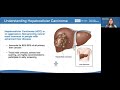
Hepatocellular Carcinoma (HCC) is an aggressive, fast-growing cancer most common in people with advanced liver disease. Because most HCC cases arise in patients with cirrhosis, commonly known as severe liver scarring, early screening in this population is critical for timely detection and treatment. We compiled a 2000 non-specific cohort of individuals who have undergone an ablation to extract and classify the etiologies of liver disease in patients with HCC and related hepatic malignancies. This includes identifying the presence of viral hepatitis (HBV, HCV, or coinfection), metabolic causes (MASH/NAFLD), alcohol-related disease, and non-primary hepatic tumors (e.g., metastatic lesions or cholangiocarcinoma). Electronic health records, pathology reports, and radiology summaries are reviewed to classify each case according to its etiology and origin. Data extraction is currently ongoing, with more than half of the cohort entered. Hepatitis C (HCV) remains the most prevalent viral cause of HCC, though less common etiologies like autoimmune hepatitis have also been identified. Colorectal cancer represents the most common source of hepatic metastasis. Ultimately, we extract these etiologies in hopes of creating a structured dataset to support future analyses of etiology-specific clinical and procedural outcomes. This will support projects exploring how different etiologies influence tumor characteristics, ablation outcomes, and recurrence patterns.
Presentation 5
Ihyun Jeon, Lauren Tan, Noami Quibodeaux, Jadey Chen
Continuous fetal heart monitoring is crucial for detecting conditions like arrhythmia and hypoxia. While non-invasive abdominal electrocardiograms (AECG) are a safer alternative to scalp electrodes, their signals are heavily obscured by the maternal heartbeat and noise. This project mathematically isolates the continuous fetal ECG waveform from abdominal sensors using a deep learning signal regression pipeline.
Raw AECG data was preprocessed via a Butterworth bandpass filter (0.5–50 Hz) and Z-score normalization. We engineered a 1D Convolutional U-Net architecture, utilizing skip connections to preserve the sharp temporal resolution necessary for reconstructing sharp QRS peaks. To prevent standard metrics from causing flatline predictions due to temporal phase-shift penalties, we implemented a custom Hybrid Loss function. This uniquely combines Mean Squared Error (MSE) for voltage amplitude with Cosine Similarity for physiological shape.
The U-Net successfully extracted distinct fetal waveforms. Evaluation yielded an Average MSE of 0.468 and MAE of 0.459. While these metrics reflect harsh temporal-shift penalties, they fail to capture the true morphological success. Crucially, clinical evaluation resulted in an average Pearson Correlation of 0.7728 and a QRS detection F1-Score of 0.8016. This pipeline demonstrates the strong viability of utilizing CNNs to non-invasively synthesize high-resolution, life-saving clinical data for real-time monitoring.
Presentation 6
ANDREA LIANG, Madeline Ho, Camelia Dumitras, Isabelle Trinh Phan, Robert Prins, Won Kim, Benjamin Ellingson, and Jingwen Yao
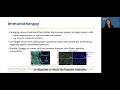
About 20-40% of patients with breast cancer will develop brain metastases (BMs), which occur when tumors have spread to the brain from another source. Breast cancer brain metastases (BCBMs) have a median survival time of 1-2 years after diagnosis, making early detection and disease monitoring critical to treatment decision-making. Immunotherapy has emerged as a promising treatment because it targets cancer cells with greater specificity than chemotherapy, radiation, and surgery. However, evaluating the efficacy of immunotherapy is difficult, as standard imaging techniques struggle to differentiate between true progression and pseudoprogression, where tumors appear larger due to immune cell infiltration into the area rather than actual cancer progression. This project aims to develop a non-invasive imaging technique to characterize tumor immune microenvironments (TIMEs) of BCBMs and subsequently predict their responses to immunotherapy. The first aim will be to use multi-contrast habitat imaging biomarkers alongside multiplex immunofluorescence analysis of immune markers to create an imaging-derived immune score (IDIS) that classifies tumors into TIME phenotypes. The second aim will validate the ability of IDIS to predict responses to immunotherapy in a cohort of patients who have received immune checkpoint inhibitors (ICIs). Overall, this project aims to develop IDIS as a non-invasive biomarker for TIME, with the hope that it can be incorporated into prospective trials to guide treatment decision-making for BCBMs.
Presentation 7
SAKET RAO, ASHLEY KUO, EVAN SCHNEIDER, NAYELI RODRIGUEZ-MARTINEZ, SEBASTIAN RICHARDSON, Gabriel Munoz, Lewis Simon, Anjay Rastogi
Type 2 diabetes mellitus (T2DM) is a chronic condition that occurs due to the body’s inability to process insulin properly, resulting in a perpetuated state of elevated blood sugar. Chronic kidney disease (CKD) is a condition in which kidney function has progressively declined, leading to failure. Current CKD therapies slow disease progression but do not restore kidney function, creating a need for therapies that better preserve or improve renal health. This study assesses the safety and efficacy of rilparencel injections in participants with T2DM and CKD. Rilparencel is an investigative autologous cell product composed of renal cells from a patient’s own kidney cortex. The injected renal cells produce signaling factors that reduce proinflammatory cytokine production, offering a novel cell therapy that reduces inflammatory mediators. REACT follows a randomized multicenter, blinded two-cohort experimental setup. Cohort 1 participants undergo procedures that copy the activities of biopsy and injection as a control. Cohort 2 participants undergo a kidney biopsy followed by a rilparencel injection with a second injection 12 weeks later in the contralateral kidney. This study assesses kidney function and related outcomes in participants treated with rilparencel injections versus sham procedures. Primary outcome measures include differences in estimated glomerular filtration rate (eGFR) slope over 18 months, renal or cardiovascular death, dialysis, and transplant. Secondary outcome measures quality of life changes.
Presentation 8
DONOVAN SALVADOR, Thomas J. Kremen
Background
Rotator cuff repair improves function but often fails to fully restore early limb use. While prior studies emphasize biomechanical outcomes, functional recovery may have greater translational relevance. BP-BMP2 is a systemically delivered compound designed to localize to the tendon-bone interface and enable sustained BMP-2 release.
Purpose
Determine whether BP-BMP2 can improve the healing of rotator cuff repairs as assessed by functional outcome measured by BlackBox.
Hypothesis
We hypothesize that BP-BMP2-treated animals will demonstrate progressive restoration of operative limb loading during postoperative recovery, reflected by increases in relative luminance and relative pressure index.
Methods
Rats underwent rotator cuff repair followed by a single systemic dose of BP-BMP2 (5 µg or 10 µg) at postoperative day 0. Functional recovery was assessed using the BlackBox system preoperatively and at postoperative time points. Relative luminance and relative pressure index were calculated for the operative limb and normalized to all four limbs to account for inter-animal variability.
Results
At 3 weeks, both treatment groups demonstrated reduced operative limb loading compared to baseline and native controls (p < 0.001). Functional measures improved progressively at 4 and 6 weeks; however, values remained significantly lower than controls at 6 weeks (pressure: p = 0.021, 0.008; luminance: p = 0.009, 0.001 for 10 µg and 5 µg, respectively). Further comparison with saline controls is needed for therapeutic benefit.
Presentation 9
ANAYA SAYAL, ALISHA CHOWDHARY, SOHUM BHARGAVA, ZACHARY SIM, MELODY CAM, Gabriel Munoz, Lewis Simon, Anjay Rastogi
Glomerular diseases are characterized by damage to glomeruli of the kidneys, limiting the effectiveness of blood filtration function in the kidneys. Glomerular diseases include IgAN, pMN, and Primary Nephrotic Syndrome (MCD/FSGS). Adverse health effects include abnormal blood pressure, proteinuria, and possible progression to end-stage kidney disease. This study aims to assess the impact of atacicept on maintaining renal function and analyze its safety and efficacy in participants with glomerular conditions. Atacicept is a dual BAFF/APRIL decoy that targets the upstream adaptive immune abnormalities of class switching. This mechanism drives the progression of IgA nephropathy, including the overproduction of Gd-IgA1, the generation of anti-Gd-IgA1 autoantibodies, and subsequent circulating immune aggregate formation. Atacicept also prevents B cell activation and survival of antibody-producing cells that culminate in mesangial deposition and complement activation. This Phase 2, multicohort interventional study enrolls participants aged ≥ 10 years with biopsy-proven autoimmune glomerular diseases who meet disease-specific proteinuria and eGFR thresholds and remain on stable standard of care therapy. Participants receive once weekly subcutaneous atacicept, measuring changes in proteinuria (UPCR) and kidney function (eGFR) throughout the duration of the study. Safety is assessed by monitoring the frequency and severity of adverse effects and changes in laboratory parameters throughout the course of the study.